Smart Home
& IoT
Featured Work in IoT
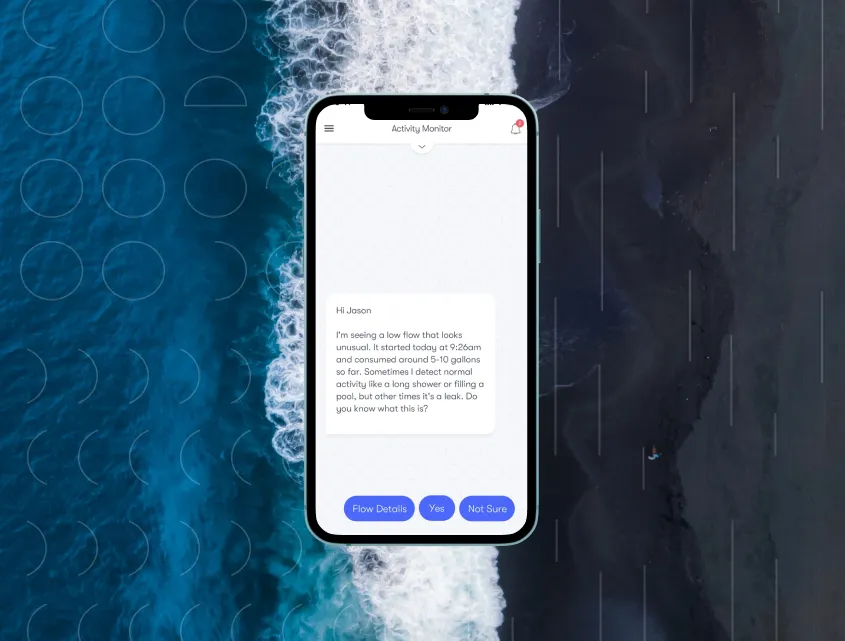
Belkin / Phyn
Connected-home water monitoring across mobile apps, device onboarding, and IoT workflows.
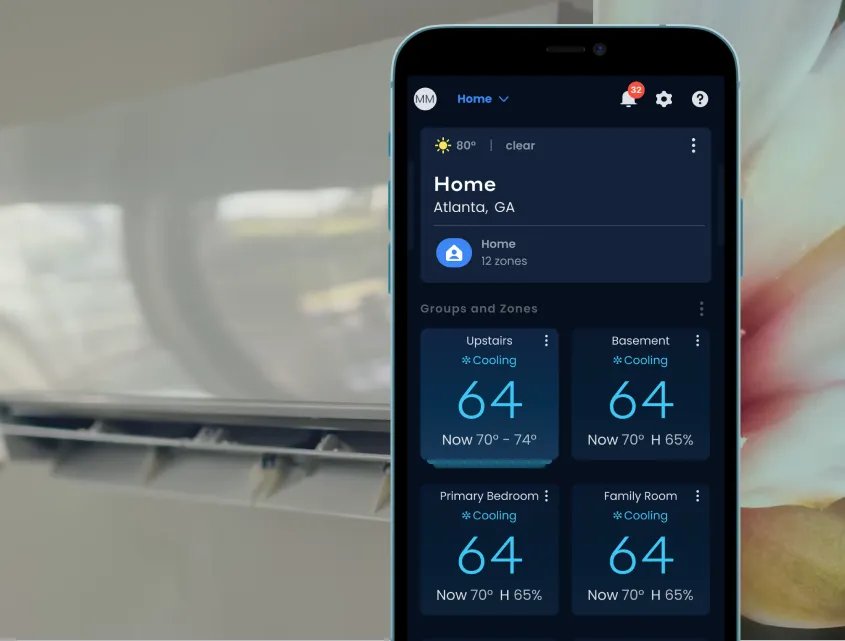
Mitsubishi Comfort
Mobile, web, and connected-device software across a complex HVAC product ecosystem.
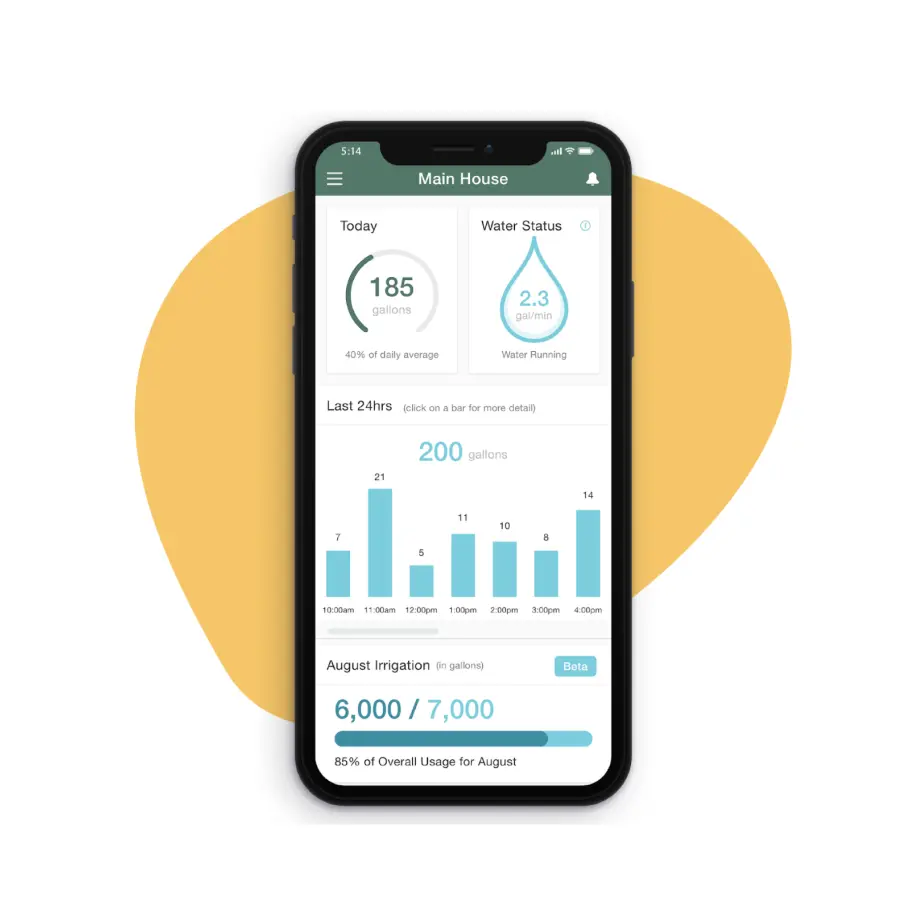
Flume
Mobile experiences for connected-home water monitoring.

Boundless
IoT consultation for a consumer vapor-device manufacturer.







IoT Is Harder Than It Looks
Building an IoT app isn't mobile development with a Bluetooth library bolted on. It's unreliable wireless connections, firmware edge cases, real-time data at scale, and users who don't understand why their device won't pair.
We built the Phyn app for Belkin—a water monitoring platform that communicates with sensors in real-time, processes millions of data points, and helps homeowners understand their water usage patterns.
The hard problems in IoT aren't in the documentation. They're in the edge cases you discover when real hardware meets real networks in real homes. We've learned them shipping products at scale.
ClearSummit has a rare talent of understanding what they're building and what user context it needs to function with. This fosters a collaborative environment where both designers and developers can push boundaries.
IoT Case Studies
From consumer smart home to industrial IoT

Belkin - Phyn
CES Award-winning water intelligence. Real-time sensor integration, Bluetooth provisioning, millions of data points processed daily.

Flume
Smart water monitoring with real-time leak detection and usage analytics for homeowners.

Mitsubishi - Comfort
HVAC platform rebuild. React Native mobile, web architecture, and IoT firmware integration.
Technical Challenges
What Makes IoT Hard
Consumer apps assume reliable networks, predictable user flows, and consistent data. IoT apps can't make any of those assumptions.

Device Communication
Bluetooth LE, Wi-Fi provisioning, MQTT, WebSockets—we build the connection layer between hardware and software. We've handled the edge cases that don't appear in documentation. Dropped connections, firmware mismatches, pairing failures in the field.

Offline Resilience
IoT devices live in basements, garages, and rural areas. Apps need to function when connectivity is spotty and sync gracefully when it returns. We architect for the real world, not the demo environment.

Real-Time at Scale
Sensor data streams in continuously. Processing, storing, and visualizing millions of data points requires backend architecture designed for throughput. We've built systems that handle enterprise-scale IoT deployments.
Hardware Made Simple
Users don't care about the technology.
They want to know if there's a leak, if their HVAC is working, if their device is connected. We design interfaces that translate complex sensor data into actionable information.
The Phyn app shows water usage patterns that homeowners actually understand. The Mitsubishi app lets users control comfort without thinking about protocols. That's what good IoT UX looks like.
Firmware to Screen
Full-stack means full-stack.
We don't stop at the app layer. For Mitsubishi, we rebuilt their firmware communication protocols alongside the mobile and web applications. When you need the entire vertical—from embedded systems to cloud infrastructure to the screen in someone's hand—we deliver it.
Most shops punt on firmware. We write it.
The team understood the complexity of integrating with our hardware systems from day one. They asked the right questions and anticipated edge cases we hadn't considered.
How We Build IoT Apps
Hardware Discovery
We start by understanding your device—communication protocols, data formats, firmware constraints. We map the integration points before writing app code.
Protocol Design
Clear contracts between mobile and firmware. What data flows where, how errors are handled, what happens when connections drop. Documented before implementation begins.
Progressive Development
We build against hardware simulators first, then real devices. Staging environments that mirror production complexity. You test on actual hardware every sprint.
Field Testing
IoT apps behave differently in the field than in the office. We test in real conditions—weak Wi-Fi, Bluetooth interference, edge case environments—before launch.
Our Stack
IoT Technologies
Proven tools for connected products.


Is This Right for You?
We're a good fit if: You have hardware that needs software—from firmware to mobile to cloud. You need real-time data processing and visualization. You want a team that can own the entire stack, not just the app layer.
We're not a good fit if: You only need a thin Bluetooth wrapper with no broader product or systems work. You need hardware design (we work with the devices, not the circuits).
The shipped work is written up with dates on the connected-device proof page, and the Bluetooth side specifically at BLE app development.
Let's Talk IoT
Tell us about your hardware and what you need the app to do. We'll give you an honest assessment of the challenges and what it takes to build it right.
More selected work


