Make the Next Release Less Risky

Start With the Release That Went Wrong
We trace how a change moves from a developer's machine through testing, deployment, and production. Where does it wait? Which steps depend on one person? What tells the team a release has failed?
The first priority might be a repeatable deployment, a missing integration test, or an alert that reaches someone who can act. We choose the work around the risk in your system.
DevOps Consulting
The Work Behind a Reliable Release
Scope follows the application, its dependencies, and the team responsible for running it.

CI/CD Pipelines
Automate build and test steps, define review gates, and make staging and production promotion explicit. Agree which checks must pass before a change is released.

Infrastructure as Code
Put supported environment configuration under version control. Review access, secrets handling, and differences between development, staging, and production.

Monitoring and Recovery
Connect errors, logs, and service health to a response path. Check backups and restoration, and document how to recover when a release or dependency fails.
Rollback Needs a Plan, Too
Reverting application code does not necessarily reverse a database migration or an external action. We review compatibility, data checks, and recovery steps before a release changes a live workflow.
For a risky migration, the plan identifies what can be reversed, what needs a forward fix, and how the team will decide. Monitoring and a tested recovery path belong alongside the deployment script.
Related Backend and Platform Work
These case studies describe the systems we worked on and the scope we delivered.
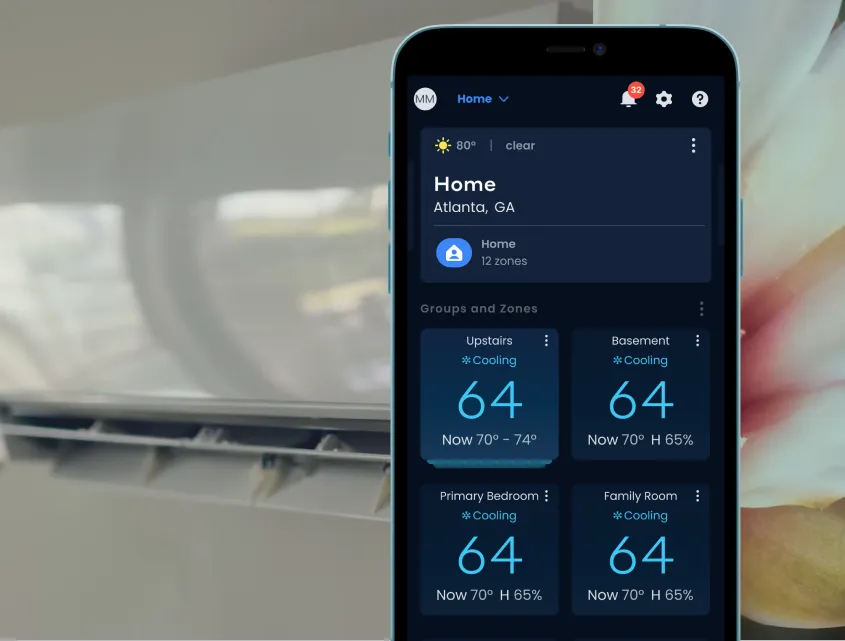
Mitsubishi Comfort
Rebuilt the web backend and device communication layer, with a fleet migration to AWS IoT Core as part of the wider platform work.
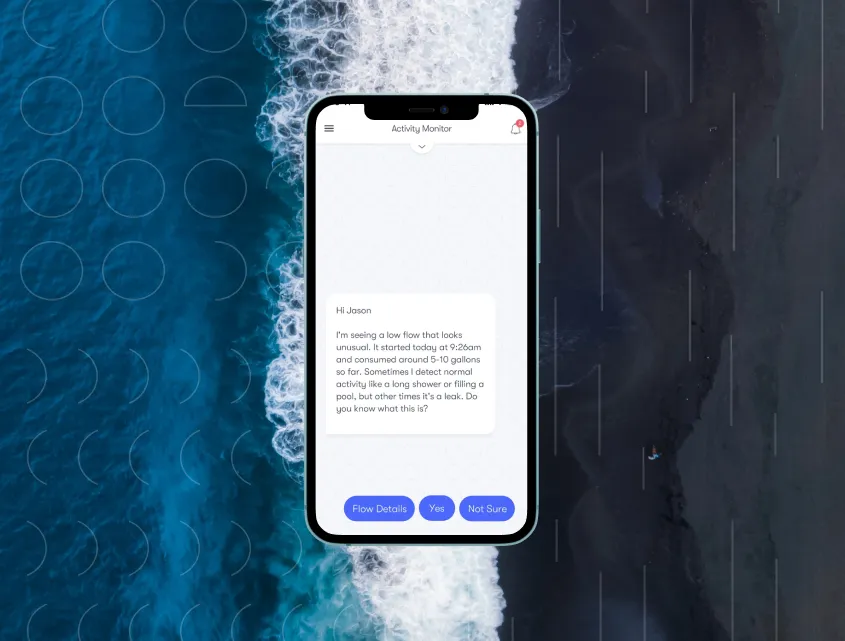
Phyn by Belkin
Built the MVP for a smart water monitor, including the backend service, device pairing, sensor data visualization, and mobile app.
Improve the Delivery Path in Steps
Map the Current Path
Review repositories, environments, deploy permissions, dependencies, and recent incidents with the people who run the system.
Choose the First Risk to Reduce
Agree on the failure or manual step to address, the evidence needed to verify the change, and the recovery plan.
Implement and Check
Make the change in a suitable test environment. Exercise the affected workflow and its failure paths before promoting it.
Document and Revisit
Update the runbook and review what happened after release. Use incidents and changing business needs to choose the next priority.
Our Stack
DevOps Tools
Tools we select to fit the application and the people maintaining it.


When the Problem Goes Beyond Deployment
If a release problem starts in tightly coupled code or an aging application, explore software and platform modernization. For APIs, data models, integrations, and the services they run on, see our cloud and backend infrastructure work. When the release path ends at a fleet of connected devices, see our connected-device work.
Through Leveraged Velocity, this work can continue alongside the product improvements your business needs. We agree the systems in scope and the operating responsibilities before starting.
What Makes Releases Difficult Today?
Tell us which deployment, environment, or production problem keeps returning. We will use it to identify a practical starting point.